Blending Historic Charm and Modern Luxury in Philadelphia Home Remodeling
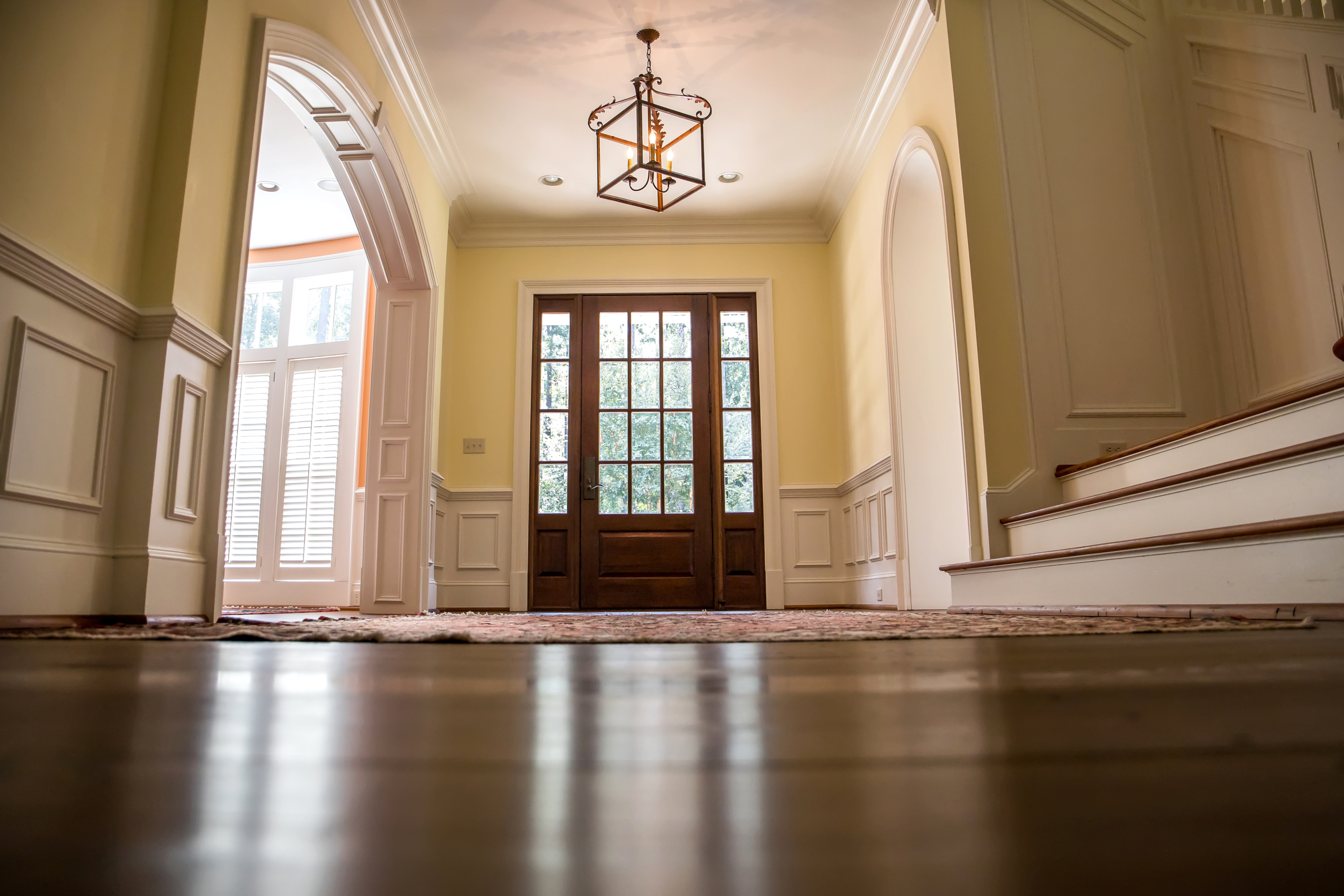
Philadelphia is a city defined by its rich history, with architecture that tells a story on every block. From the stately townhomes of Rittenhouse Square to the charming trinity houses of Queen Village, these historic properties offer a unique connection to the past. Yet, modern life demands functionality, comfort, and a touch of luxury that these older homes often lack in their original state. The challenge—and the opportunity—lies in thoughtfully integrating contemporary amenities without sacrificing the architectural character that makes these homes special.
At Myers Constructs, we specialize in navigating this delicate balance. We believe that a successful Philadelphia home remodel honors the building’s heritage while adapting it for today’s lifestyles. It is a process of collaboration, craftsmanship, and a deep respect for the architectural integrity of our city. This article explores how we approach this synthesis of old and new, turning historic houses into timeless homes. We will discuss adaptive reuse, meticulous restoration, and how to solve common problems found in older Philadelphia properties.
The Art of Adaptive Reuse in Residential Spaces
Adaptive reuse is the process of repurposing a building for a new function while retaining its historic features. While often associated with converting industrial lofts or warehouses, the principles apply directly to residential remodeling. It’s about seeing the potential in existing structures and reimagining their purpose to better serve your family.
Reimagining Floor Plans for Modern Living
One of the most common challenges in historic Philadelphia homes is a restrictive floor plan. Nineteenth and early twentieth-century homes were often designed with many small, segregated rooms. Kitchens were utilitarian spaces hidden away, and living areas were formal and disconnected.
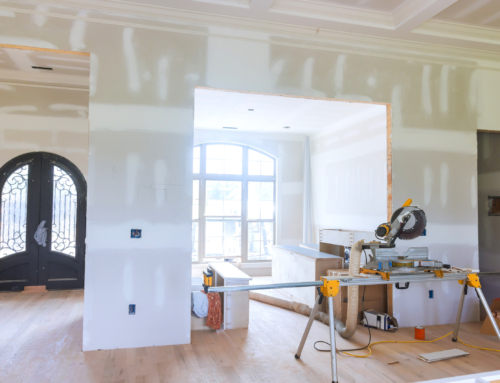
Our approach begins with a collaborative design phase where we listen to your needs. Do you envision an open-concept living area where the kitchen flows into the dining and family rooms? We can help identify which walls are non-structural and can be removed to create that spacious, interconnected feel. By opening up the main floor, we can introduce more natural light and create a central hub for family activity, transforming the home’s daily function while preserving its exterior façade and key interior details.
Converting Attics and Basements into Functional Spaces
Unfinished attics and damp basements represent untapped potential in many older homes. Through thoughtful design and construction, these areas can be transformed into valuable living spaces.
- Attic Conversions: An underutilized attic can become a quiet primary suite, a home office, or a playroom for children. The process involves ensuring proper structural support, adding insulation for energy efficiency, installing skylights or dormer windows for light and ventilation, and integrating electrical and HVAC systems. The result is a new level of living space that feels both integrated and private.
- Basement Remodeling: Philadelphia basements are often relegated to storage due to concerns about moisture and low ceilings. We address these issues head-on with professional waterproofing solutions, proper ventilation, and creative lighting strategies. By digging out and lowering the basement floor, we can increase ceiling height to create a comfortable, inviting space for a home gym, media room, or guest suite.
Meticulous Restoration: Preserving Philadelphia’s Soul
While modernization is key, the soul of a historic home lies in its original details. Restoration is the painstaking work of repairing and preserving these features, ensuring they continue to tell the home’s story for generations to come. This focus on craftsmanship is a hallmark of our work as remodeling contractors philadelphia.
Honoring Original Woodwork and Architectural Details
Years of paint can obscure intricate woodwork, and time can take its toll on original plaster moldings, fireplace mantels, and hardwood floors. Our restoration process is meticulous and respectful.
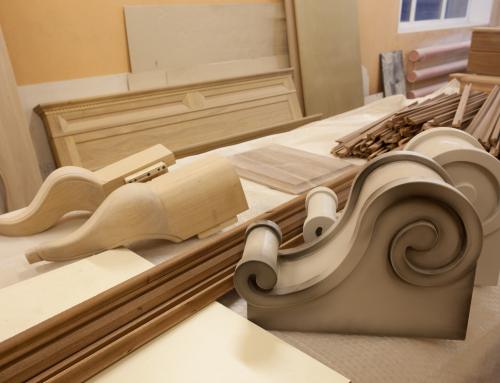
- Woodwork and Trim: We might carefully strip, repair, and refinish original baseboards, crown molding, and window casings. When a piece is damaged beyond repair, our skilled carpenters can replicate the original profile, ensuring a seamless match.
- Hardwood Floors: Original hardwood floors are a treasure. With careful sanding, repairing, and refinishing these floors to reveal their natural warmth and beauty. We can often patch in new boards that match the original species and age, making repairs virtually invisible.
- Doors and Windows: We believe in restoring original doors and windows whenever possible. This not only preserves the home’s character but can also be a sustainable choice. We can upgrade them with modern weatherstripping and, in some cases, specialized glass to improve energy efficiency without compromising their historic look.
Updating Exteriors with Historical Accuracy
The exterior, or façade, of a Philadelphia home contributes to the character of the entire neighborhood. When additions or exterior repairs are needed, we adhere to the principles of historic preservation. Our designs for new additions are intended to complement, not copy, the original structure. We use materials and proportions that harmonize with the existing building, ensuring the new construction feels like a natural extension of the home. For repairs to brickwork, siding, or roofing, we source materials that match the original in texture, color, and dimension.
Solving Common Problems in Historic Philadelphia Homes
Living in a historic home often means dealing with a unique set of challenges. A successful remodel addresses these underlying issues to ensure the home is not only beautiful but also safe, efficient, and comfortable.
Upgrading Foundational Systems: Electrical, Plumbing, and HVAC
Outdated systems are one of the most significant issues in older homes. A truly modern home requires modern infrastructure.
- Electrical: Knob-and-tube wiring, common in pre-1940s homes, is insufficient for modern electrical loads and can be a safety hazard. We perform complete electrical upgrades, replacing old wiring and installing a new panel with the capacity for today’s appliances, smart home technology, and lighting systems.
- Plumbing: Old pipes made of galvanized steel or lead can corrode, leading to low water pressure and potential health concerns. We replace these outdated systems with modern copper or PEX piping, ensuring reliable and safe water delivery throughout the home.
- HVAC: Many historic homes lack central air conditioning and rely on radiator heat. We design and install high-efficiency heating and cooling systems, including options like high-velocity systems that use small, flexible ducts, making them ideal for retrofitting into older homes with minimal disruption to original walls and ceilings.
Improving Energy Efficiency and Comfort
Historic homes are not known for their energy efficiency. Drafty windows, uninsulated walls, and old heating systems can lead to high utility bills and uncomfortable living conditions. Our remodeling process includes a comprehensive approach to improving the building envelope.
We add insulation to walls, attics, and basements to create a thermal barrier. We also professionally seal air leaks around windows, doors, and foundations. These steps, combined with the installation of energy-efficient windows and modern HVAC systems, dramatically improve comfort and reduce long-term energy costs.
Frequently Asked Questions About Home Remodeling
How can I maintain the historic character of my home while upgrading its functionality?
Preserving the unique charm of your historic home is always achievable with careful planning and expert craftsmanship. Our team begins by assessing which original details can be restored or replicated, such as woodwork, windows, and flooring. At the same time, we identify areas where modern amenities—like open layouts, updated kitchens, or advanced systems—can be integrated with minimal impact to the building’s character. Every decision is approached collaboratively so the completed remodel beautifully marries historic appeal with everyday comfort and practicality.
What are the most common challenges when remodeling older Philadelphia homes, and how are they addressed?
Older homes often present surprises, such as outdated electrical systems, structural problems, or hidden water damage. Our extensive experience with Philadelphia’s housing stock enables us to anticipate and resolve these challenges efficiently. Before construction begins, we carry out thorough inspections and communicate transparently about any required updates to plumbing, electrical, or foundation. By proactively addressing these concerns, we ensure the remodel process is smooth and that your home is safe, efficient, and built to last.
Your Partner in Philadelphia Home Remodeling
Blending historic charm with modern luxury requires a deep understanding of architectural history, a commitment to quality craftsmanship, and a collaborative spirit. It’s about creating a home that respects its past while fully embracing the future. We work with you at every step, from the initial design vision to the final construction details, to ensure your remodeled home is a perfect reflection of your lifestyle and a seamless blend of old and new.
Our goal is to deliver a finished space that not only meets your functional needs but also inspires you every day. We build relationships with our clients based on trust, clear communication, and a shared passion for creating exceptional homes.
If you are considering a home remodeling project in the Philadelphia area, our team at Myers Constructs, Inc. invites you to contact us. Let’s begin a conversation about how we can transform your historic house into the home of your dreams.