Creating a Custom Kitchen Using Local Materials and Bespoke Finishes in Philly Homes

A custom kitchen is more than just a place to prepare meals; it is the heart of your home, a space for gathering, and a direct reflection of your personal style. For Philadelphia homeowners, particularly those residing in historic properties, creating a kitchen that is both modern in function and harmonious with the home’s original character presents a unique opportunity. The key to achieving this balance lies in the thoughtful selection of local materials and bespoke finishes.
At Myers Constructs, we partner with clients to transform their kitchen visions into tangible, beautiful realities. Our Design to Build™ process ensures that every detail, from the initial concept to the final installation, is managed with precision and a collaborative spirit. This article explores how we integrate local materials and custom finishes to craft kitchens that are not only stunning but also deeply connected to the rich heritage of the Philadelphia region. We will discuss the benefits of this approach and provide insights into selecting the perfect elements for your home.
The Value of Sourcing Local Materials for Your Kitchen
Choosing materials sourced from the Philadelphia region and surrounding areas offers significant advantages that extend beyond simple aesthetics. It’s a decision that supports the local economy, ensures quality, and provides a unique narrative for your home’s most important room.
Supporting the Regional Economy and Craftsmanship
When we specify materials from local suppliers, quarries, and lumberyards, we are investing in our community. This practice supports small businesses, artisans, and craftspeople who are masters of their trade. From the reclaimed wood salvaged from a historic city structure to the slate quarried in the Lehigh Valley, these materials carry a story. By incorporating them into your kitchen, you become part of that story, creating a space that has a genuine connection to its location. This approach fosters a network of local talent, ensuring that traditional skills and high standards of craftsmanship continue to thrive in our area.
Ensuring Quality and Authenticity
Local materials often come with an unparalleled level of quality. For example, Pennsylvania is renowned for its hardwoods, such as black cherry, red oak, and maple. Sourcing these woods from nearby mills guarantees that the lumber is properly seasoned for our specific climate, which minimizes the risk of warping or cracking over time. Similarly, natural stones like Pennsylvania bluestone or soapstone from nearby quarries offer durability and a timeless appeal that mass-produced alternatives cannot replicate. Working with local suppliers also allows for greater transparency and control. We can visit the lumberyard to hand-select the perfect slab of wood or inspect stone at the quarry to ensure it meets our exacting standards for your project. This direct oversight is fundamental to delivering a finished product of exceptional quality.
Creating a Unique and Context-Driven Design
A home in Chestnut Hill, Rittenhouse Square, or on the Main Line has its own distinct architectural identity. A successful kitchen renovation respects and enhances this identity. Using local materials helps to ground the new design within its historical and geographical context. Reclaimed bricks from a demolished Philadelphia factory can create a stunning backsplash with authentic texture and patina. Heart pine flooring, salvaged from an old industrial building, brings warmth and a sense of history that cannot be manufactured. By thoughtfully integrating these elements, we can design a kitchen that feels as though it has always been a part of the home, even as it provides all the conveniences of modern living.
Exploring Bespoke Finishes for a Truly Custom Space
While local materials provide the foundation, bespoke finishes are what elevate a kitchen from simply functional to truly extraordinary. These custom details are the elements that reflect your personality and make the space uniquely yours. It is in the careful selection of hardware, lighting, and custom cabinetry that a kitchen’s character is fully realized.
The Impact of Custom Cabinetry
Cabinetry is often the most dominant visual element in a kitchen, and custom-built cabinets offer limitless possibilities for design and function. Unlike stock or semi-custom options, bespoke cabinetry is designed and constructed to fit the exact dimensions and architectural nuances of your space. This is particularly valuable in older Philadelphia homes, where walls may not be perfectly plumb and ceilings can have unconventional heights.
Our process involves collaborating with skilled cabinetmakers to create solutions tailored to your specific needs. Do you need specialized storage for spices, a built-in knife block, or a dedicated station for your espresso machine? Custom cabinetry makes it possible. You also have complete control over the style, from traditional inset doors appropriate for a colonial home to sleek, handleless designs for a more modern aesthetic. The choice of wood, finish, and paint color is entirely up to you, ensuring the final product integrates seamlessly with your overall design vision.
Selecting Hardware and Fixtures
Often referred to as the “jewelry” of the kitchen, hardware and fixtures are small details that make a significant impact. Bespoke design allows you to move beyond the limited selections of big-box stores and explore unique pieces from artisan metalworkers and specialty suppliers. For a historic home, you might choose hand-forged iron pulls or unlacquered brass knobs that will develop a beautiful patina over time. In a more contemporary space, you might opt for sleek, minimalist hardware in a matte black or brushed gold finish.
The same principle applies to sinks and faucets. A handcrafted apron-front sink made from soapstone or fireclay can become a stunning focal point. Pairing it with a bridge faucet in a classic finish adds a layer of sophistication and timeless elegance. These choices contribute to a cohesive and layered design that feels curated and personal.
The Role of Lighting in Setting the Mood
Lighting is one of the most critical, yet often overlooked, components of kitchen design. A well-conceived lighting plan includes multiple layers to ensure both functionality and ambiance.
- Task Lighting: This is essential for work areas like countertops, the sink, and the stove. Under-cabinet LED strips are a popular and effective solution, providing direct, shadow-free light for food preparation.
- Ambient Lighting: This provides overall illumination for the room. Recessed ceiling lights are a common choice, but we often supplement them with decorative fixtures like flush mounts or semi-flush mounts that align with the home’s style.
- Accent Lighting: This is used to highlight specific features, such as glass-front cabinets, architectural details, or artwork. It adds depth and visual interest to the space.
- Decorative Lighting: Pendants over an island or a chandelier over a breakfast nook act as statement pieces. This is an opportunity to introduce a unique, handcrafted fixture that serves as a focal point and expresses your personal style.
By layering these different types of lighting and using dimmers to control their intensity, you can easily adjust the mood of your kitchen from a bright, efficient workspace to a warm, inviting setting for entertaining.
The Design to Build™ Process: Bringing It All Together
Achieving a seamless blend of local materials and bespoke finishes requires a cohesive and well-managed process. This is the core principle of our Design to Build™ approach. By having one dedicated team responsible for both the design and construction phases, we eliminate the communication gaps and logistical challenges that can arise when working with separate architects, designers, and contractors.
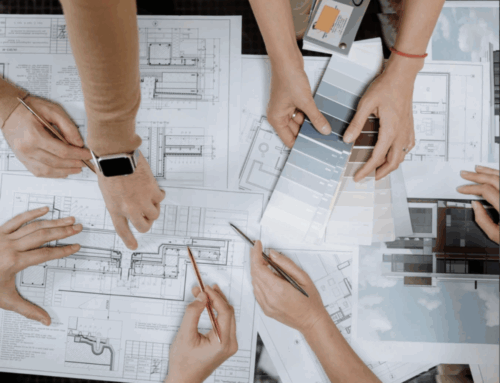
Our collaborative process begins with listening. We take the time to understand your vision, lifestyle, and how you want your new kitchen to function. From there, our design team develops detailed plans, renderings, and material palettes that bring your ideas to life. We guide you through the selection of every element, from the countertop slab to the cabinet hardware, leveraging our relationships with the region’s best suppliers and artisans.
Once the design is perfected and approved, our construction team takes over. Because they have been involved from the outset, they have a deep understanding of the project’s goals and intricacies. This continuity ensures that the design intent is executed with precision and that the quality of craftsmanship meets our high standards. As your single point of contact throughout the entire project, we manage all schedules, trades, and logistics, allowing you to enjoy a streamlined and stress-free renovation experience. For homeowners looking to begin this journey, our expert kitchen remodeling contractors Philadelphia are ready to guide you every step of the way.
Creating a custom kitchen with local materials and bespoke finishes is an investment in quality, community, and the enduring character of your Philadelphia home. It is an opportunity to craft a space that is not only beautiful and functional but also rich with story and personal meaning. By partnering with a team that values craftsmanship and a collaborative process, you can ensure that the heart of your home is a true reflection of your vision and a source of enjoyment for years to come.
Frequently Asked Questions
How long does a custom kitchen renovation typically take with your Design to Build™ process?
The timeline for a custom kitchen renovation can vary widely depending on the project’s scope, the complexity of the design, and the lead times for custom materials like cabinetry and specialty fixtures. Generally, the design phase can take anywhere from 2 to 4 months, while the construction phase can last from 3 to 6 months. Our integrated Design to Build™ process helps streamline this timeline by ensuring clear communication and efficient project management from start to finish.
Is it more expensive to use local materials and custom finishes?
While some locally sourced materials and bespoke items can have a higher upfront cost than mass-produced alternatives, they often provide greater long-term value. Local materials like Pennsylvania hardwood and stone are prized for their superior quality and durability, reducing the need for future replacements. Custom finishes ensure a perfect fit and a unique design that adds significant value to your home. We work collaboratively with clients to establish a clear budget and make material selections that align with their financial goals while still achieving a high-end, personalized result.
At Myers Constructs, we have decades of experience in residential renovations and historic restorations. And, we are committed to delivering exceptional craftsmanship and a seamless client experience. If you are ready to discuss your home remodeling project, please contact us.