When to Renovate vs. Rebuild: The High-End Homeowner’s Guide
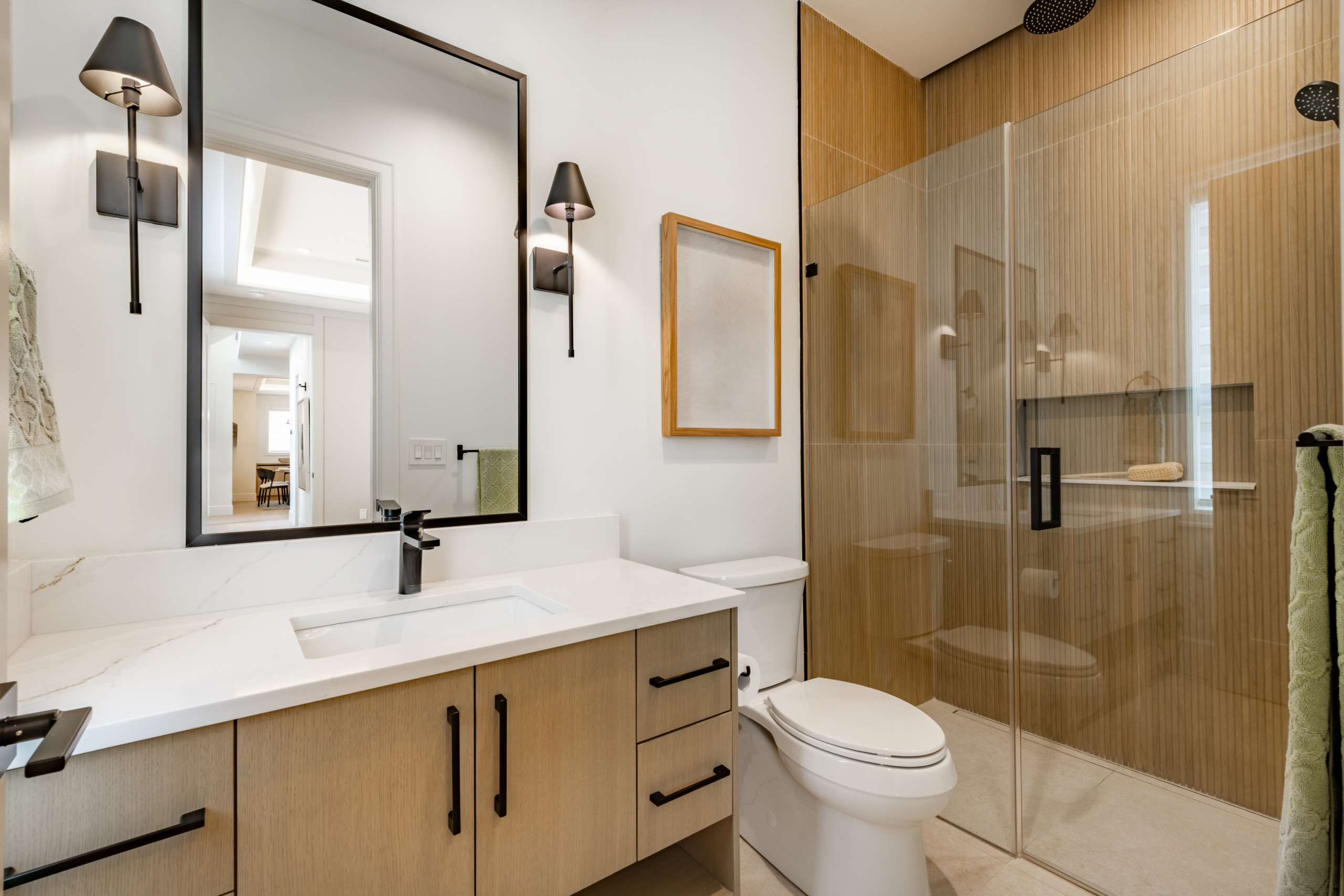
When you fall in love with a neighborhood—its tree-lined streets, welcoming community, and proximity to everyday essentials—you naturally want your home to match all the potential the location offers. Yet, as your family’s needs evolve and the home’s aging systems show their years, you may find yourself at a crossroads: Is it wiser to invest in a transformative renovation or to completely rebuild?
This guide is designed to walk you through the decision-making process, helping you weigh the practical, financial, and creative factors at play. By understanding both options through a professional lens, you’ll be equipped to create a home that aligns with your vision for quality, comfort, and long-term value.
Assessing Your Home’s Structural Potential
When it comes to home remodeling in Philadelphia, the journey begins with a deep understanding of your existing home’s structure and architectural character. Not all homes are created equal—some possess craftsmanship and materials that are difficult to replicate today, while others have challenges that make renovation less practical.
Homes with “good bones”—solid foundations, intact framing, and original architectural details—often lend themselves beautifully to renovation. In established neighborhoods across the region, we frequently encounter houses built with old-growth lumber and custom masonry. These elements can be retained and integrated into modern upgrades, preserving the charm and history that drew you in while making significant improvements to energy efficiency and layout.
However, if a property’s structural integrity is seriously compromised—think advanced foundation issues, major water infiltration, or low ceiling heights that can’t be easily altered—a full rebuild may prove the more cost-effective and satisfying path. In many cases, attempting to retrofit extensive problems simply isn’t feasible or would require dismantling the home piece by piece, often exceeding the investment needed for new construction.
Weighing Cost, Value, and Regulatory Factors
Financial considerations often guide the renovation vs. rebuild decision, but they’re only one layer of the equation. While cosmetic updates are usually more affordable, deep renovations involving significant structural changes or major additions can quickly approach the expense of new construction.
With renovation, costs can be harder to predict, as opening up walls can reveal outdated utilities or structural surprises. However, this approach can preserve value by minimizing impact fees, demolition costs, and allowing you to retain mature landscaping. On the other hand, rebuilding offers a clean slate with more predictable costs—but also involves expenses for demolition, disposal, and complete reconstruction.
It’s vital to consider zoning, permitting, and legal constraints. Many houses are considered “legal non-conforming,” meaning their size or placement on the lot wouldn’t be allowed under current regulations. Rebuilding from scratch may force you to reduce the house’s footprint or relocate it on the property. In historic districts, demolition is often discouraged or heavily restricted, making high-quality renovation the only viable route for maintaining space and character.
Balancing Design Freedom and Sustainability
Your aesthetic vision and sustainability goals play a key role in the decision. If you want to radically transform the architectural style, footprint, or orientation of your home, rebuilding offers complete creative control and a “blank canvas” for tailoring every detail to your preferences—from the placement of windows to the overall flow and feel.
Renovation, however, challenges us to work within existing parameters and often leads to more inventive architectural solutions. By retaining the core of the house, you not only honor its story but also capitalize on the embodied energy of existing materials, reducing waste and environmental impact. Upgrading the performance of an existing home—such as improving insulation or installing efficient systems—can create a stunning balance of old and new, modern function and historic soul.
Ultimately, the greenest approach is often to preserve and enhance what exists, unless fundamental concerns or lifestyle needs make a new build the natural solution. For those requiring state-of-the-art energy performance or green technologies, a rebuild facilitates full integration from the ground up.
Finding the Right Path Forward for Your Home
Choosing whether to renovate or rebuild is rarely straightforward, and every homeowner’s priorities are unique. By partnering with experienced professionals who understand both high-end renovation and custom rebuilding, you gain access to critical expertise in planning, budgeting, and navigating local regulations. The most rewarding outcomes are those guided by careful assessment, clear communication, and a shared vision of quality—whether you’re restoring a historic gem or building a home tailored for tomorrow.
Frequently Asked Questions About Home Renovations
What are the biggest advantages of renovating compared to rebuilding?
Renovating allows you to preserve irreplaceable architectural details, maintain favorable property setbacks, and reduce environmental impact by reusing existing materials. It’s often the ideal option when your home has solid “bones” and is located in a desirable neighborhood with restrictive zoning or historic protections.
How do I know if my home is a candidate for a full rebuild?
A full rebuild is often recommended if your home’s foundation is compromised, the structure suffers from severe deterioration, or the layout fundamentally conflicts with your lifestyle and cannot be altered cost-effectively. Consulting with a design-build professional will help assess the scope of issues and ensure the best path forward.
At Myers Constructs, Inc., we collaborate with discerning homeowners across greater Philadelphia to deliver thoughtful, high-quality renovations and custom rebuilds. Our team blends craftsmanship with transparency, ensuring your home transformation journey is seamless from first concept to completion. Ready to explore your project? Please contact us to start the conversation.